

Korean Community Center of the East Bay (KCCEB) is now MARU.
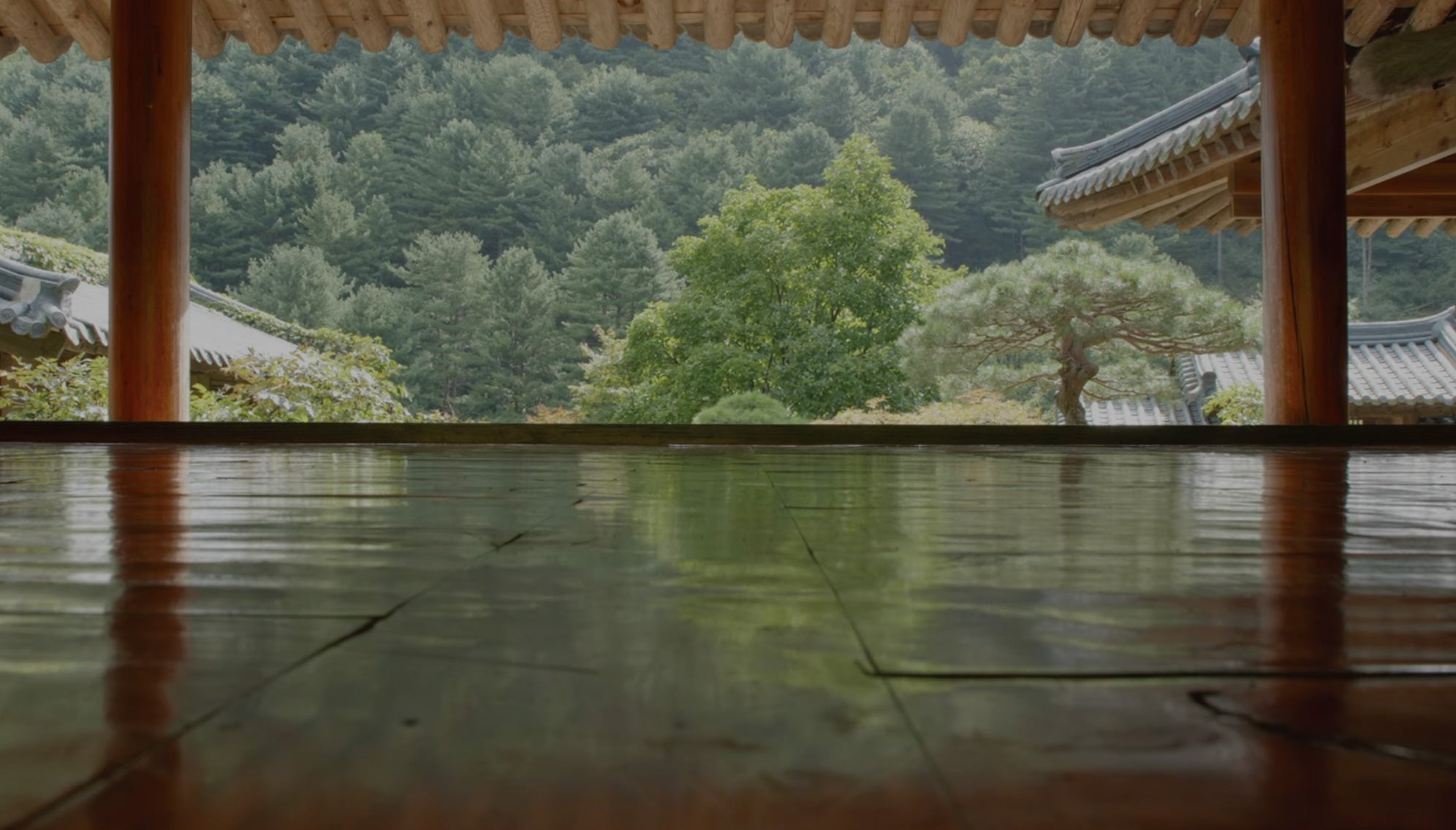
MARU (“마루”) is a pure Korean word meaning a gathering place where conversations start, ideas spark and people share joy in the process.
As KCCEB transitions to MARU, we are expanding our vision to create a world where diverse communities can prosper -built on belonging and shared strength.
We Belong. We Lead. We Build.


Honoring our Roots
Koreans first settled in the Bay Area in the 1900s. The Oakland Korean Methodist Church provided support to these early immigrants.
Five community activists founded the Korean Community Center of the East Bay with support from the Methodist Church. Our mission is to assist newcomer Koreans in accessing basic needs and services.
KCCEB becomes an independent non-profit agency. Essential services for newcomers include: Social services, ESL classes, job skills training and senior citizens services.
One hundred people pledge to make donations. Their contributions sponsor KCCEB's first office location at 3538 Telegraph Ave in Oakland.
KCCEB supports a small business incubator project. The project becomes the Koryo Village Center, opening its doors in 1989 at Telegraph Avenue and 44th Street in Oakland.
Increasing anti-immigrant sentiment in California propels KCCEB to respond. In 1991, KCCEB hosts its first monthly immigration clinic.
KCCEB joins coalition efforts to protest the passage of Proposition 187, a proposition that would deny healthcare and public education services for undocumented immigrants residing in California.
After Sa-I-Gu (the 1992 LA Riots that resulted in devastation for many Korean small businesses), KCCEB helps establish the K-town Family Fund and other programs to support safety, violence preventation and community building.
Through the Small Business Technical Assistance & Awareness Project, KCCEB provides technical assistance to start-ups and expands Korean immigrant businesses.
KCCEB develops afterschool classes and Korean cultural arts for 1.5-2nd generation youth. KCCEB also sponsors Han Ma Um, a youth leadership summer camp in collaboration with UC Berkeley students.
The Bay Area's first & only Korean language domestic violence victim's assistance program is established in collaboration with Asian Women's Shelter to address alarming rates of DV in the community.
KCCEB develops the Virtual Village Program to build community capacity with local faith institutions.
KCCEB conducts in-depth interviews with the community, layering the groundwork for KCCEB's strategic framework for the next 10 years.
KCCEB obtains BIA accreditation to provide credible immigration legal representation for low income and indigent immigrants.
KCCEB is the leading API voice for Covered California in the Bay Area, outreaching to more than 30,000 individuals and enrolling more than 1,000 individuals in 37 cities since July 2013.
KCCEB conducts and publishes the only disaggregated Korean health and social assessment study in the Bay Area with UC Berkeley's School of Public Health. KONA is used for data-based advocacy.
KCCEB develops the R.I.P.E. model: Research, Innovation, Participation and Empowerment. Our Senior Jikimee Leaders speak at state and local advocacy meetings.
Asian Community Wellness Program provides mental health and wellness support to Korean and other East Asian communities. We launch BAKI, the only Korean language information, referral and navigation call center in the Bay Area.
KCCEB partners with other immigrant/refugee serving organizations for greater impact on census engagement, youth leadership, mental health apps, immigration and naturalization and COVID-19 response.


Heart of Our Care
June Lee (She/Her)
Chief Executive Officer, MS
Bilingual in Korean and English
Since 2010, June has steered MARU through an extraordinary growth phase, increasing revenue by ten times and boosting community membership growth thirty-twofold.
Under her leadership, MARU has evolved from a direct service provider for a single ethnic senior community in Oakland into a dynamic regional advocate for diverse Asian communities. She has strengthened the organization’s capacity to support community development, elevating individuals from service recipients to empowered collective leaders, and fostering meaningful collaboration across community organizations, government, and private partners.
June holds an M.S. in Advertising from the University of Illinois at Urbana–Champaign. Before joining MARU, she was a Managing Director and Strategic Planner at major U.S. advertising agencies, leading their expansion into the Asia Pacific region.
As an immigrant and mother of a biracial daughter, June is committed to women's empowerment and the exploration of identity and belonging. In her spare time, she enjoys discovering new restaurants with her husband and friends, wine tasting, walking her dog, and hosting gatherings.
Yeri Shon 손예리 (She/Her)
Associate Director, MPH, MSW
Bilingual in Korean and English
Yeri focuses on integrating and evaluating programmatic work to improve efficiency, effectiveness, and responsiveness. Yeri previously worked at MARU from 2011-2016 where she led direct service delivery and community engagement. She played a critical role in strategizing and successfully implementing an unprecedented ACA education and outreach campaign to reach 15,000 API community members.
Yeri completed her MPH/MSW from the University of Michigan and has a BS in Chemistry from UC Berkeley. Coming from a struggling immigrant family and with over nine years working at non-profit organizations, Yeri developed insights into how systemic barriers cause social inequities leading to negative health outcomes. During her free time, she enjoys reading, exploring diverse eateries around the Bay Area, and being a die-hard Warriors fan when the basketball season starts.
Amy Lam 林安薇 (She/They)
Chief Program Strategist, MA, PhD
Quadrilingual in English, Spanish, Cantonese, and Mandarin
Since 2016, Amy’s (she/they) focus is to create projects that are responsive to community needs and strengthen the community mental health and social service arms of MARU through grant writing. Amy has a MA in Counseling Psychology (UCSB), a Ph.D. in Cultural/Social Psychology (UCD), and a postdoctoral fellowship in Psychology and Medicine (UCSF). Growing up in an immigrant family in NY, Amy has always had a passion for giving voice to the immigrant experience. Amy brings over 15 years of grassroots experience in developing innovative and culturally-resonant programs through grant writing and using art as a tool for community building, empowerment, and healing.
Amy is also an energy healer and a published poet, playwright, and composer. Amy’s mantra is: “Let’s dream the world we want to see into being.”
Pysay Phinith ពិសី ភិនិត (She/Her)
Program Director & Wellness Specialist, LCSW #71622
Bilingual in Khmer and English
Since 2018, Pysay has led the development of MARU’s first community mental health program, Asian Community Wellness Program, Senior Case Management Program, and provides support for the Community Health Access Program. Pysay also supervises mental health trainees and provides mental health counseling to children, youths and adults.
Pysay is a Licensed Clinical Social Worker and holds an M.S.W. from UC Berkeley. She has over 12 years of depth and experience in community-based prevention, early intervention, clinical case management, and mental health treatment services for Asian and Pacific Islanders and the greater communities in Alameda and Contra Costa Counties. Pysay loves running for self-care, “Running is my high! Running is my freedom!”
Christina Yu 余伊文 (She/Her)
Clinical Supervisor, LCSW #89036
English
Christina facilitates the clinical competency of the MSW and MFT associates and interns at MARU, and provides mental health services under the Asian Community Wellness Program. She is a Licensed Clinical Social Worker and received her MSW at UC Berkeley. With over 15 years of community work in Oakland Chinatown, 12 years as a case manager in Alameda County, and 7 years in the medical field working with patients facing general to chronic health conditions, she utilizes trauma-informed lenses to serve others and is passionate about holistic treatment that supports overall well-being and empowerment of individuals and community.
Christina was born and raised in Oakland by a family who immigrated from Toisan, China. In her spare time, she enjoys visual arts, cooking challenges with her friends, exploring the food scene in the Bay Area, hikes amongst the redwoods, bathing in the sound of the ocean, and tending to her plants.
Dana Kim 김단아 (She/Her)
Clinical Case Manager & Wellness Counselor, ASW #127575
Bilingual in Korean and English
Dana (she/her) is an avid nature lover, yogi, and aspiring psychotherapist born and raised on the East Coast. She is the daughter of Korean immigrants who is humbled to be joining the MARU Team as a bilingual Wellness Counselor. Her professional experiences are varied but connected by a single thread of desire to serve others in a meaningful way. She has worked as part of the health and wellness team at a residential high school in Colorado, a Forest School Teacher for toddlers in Manhattan’s Central Park, and as an exercise coordinator for adults and adolescents with autism.
In 2024, Dana graduated from Smith College where she earned her Master’s degree in clinical social work. Her passion lies in collectivistic and holistic approaches to address how trauma and healing manifest in the mind, body, and spirit. During her free time she can be found eating spicy food, strolling amongst the redwoods, or singing karaoke.
Jooyeon Jun 전주연 (She/Her)
Clinical Case Manager & Wellness Counselor, ASW #127604
Bilingual in Korean and English
Jooyeon (she/her) is a first-generation, Korean immigrant who moved to the US at the age of seven. She received a master’s degree in Social Work from Smith College and is dedicated to creating a safe space where bilingual services and culturally appropriate, trauma-informed care can be provided. With over four years of experience working in various healthcare, child welfare, and counseling settings, Jooyeon is passionate about helping individuals and families navigate acculturative stress, complex relationship dynamics, emotional distress, and various traumas. Her work focuses around holistic therapeutic practices, advocacy, and psychoeducation, and she strives to tailor interventions to meet the unique needs of each individual client.
When Jooyeon is not at work, she enjoys being in nature, finding the next best restaurant, baking treats to share, attending a musical performance, watercoloring, and traveling.
Dana Kurlander (She/They)
Development and Communications Manager
English
Dana (she/they) is a queer biracial white Filipinx survivor of violence and child of an Asian immigrant mother. Navigating the world from these intersecting identities and experiences, Dana is personally dedicated to building an inclusive, safe, and equitable society, in which Asian immigrants and refugees can thrive.
Dana has a M.S. in Medical Anthropology from University College London and a B.A. in Global Health and Sociocultural Anthropology from University of California San Diego. Throughout the years, Dana has worked supporting diverse immigrant, refugee, and asylum seeker communities in public health advocacy, direct service, and community-based participatory research in both non-profit organization and academic research settings. In her work, she focuses on centering diverse community wisdom, prioritizing collective care, and advocating for systems change. During her free time, she enjoys dancing, being in nature, exploring new coffee spots, and learning about different healing traditions.
Hye Yun Graves 혜윤 (She/Her)
Health Access Program Supervisor, ASW, #132004
Bilingual in Korean and English
Hye Yun provides resources to those who are in need and is involved in the Jikimee Senior Leadership Training Program and the BAKI program. In her previous life, she worked with children for more than 10 years. By working with children and their parents, she started to ask: What else can I do for my community? And that is how a new chapter of her life began.
Hye Yun developed a strong sense of devotion to make a community in a healthier and better way while working in another community center. Her experience gave her a deep appreciation for an organization like MARU for how to bring positive changes into the community with passion and effort. In her spare time, she loves taking a walk and watching movies.
Paula Junn 전한수 (She/Her)
Clinical Case Management & Navigation Specialist, MFA
Bilingual in Korean and English
Paula is a queer Korean-American woman who was raised in Seoul. She is excited to be a part of MARU as a Case Management and Navigation Specialist to provide resource navigation assistance to those in need. Paula comes from the nonprofit and education management field, focusing on Diversity, Equity, Inclusion, and Belonging (DEIB). She is a passionate community builder interested in fostering belonging in and among people.
In her free time, Paula makes jewelry, tells (and listens to) stories, crochets, and sings in the Queer Choir. Her dream is to build and be a part of a community so strong and healthy that when someone falls (as is inevitable in life), they are not left fallen and alone for too long
Sandra Choi 최우인 (She/Her)
Community Center Manager, BA
Bilingual in Korean and English
As the Community Center Manager at MARU, Sandra (she/her) strives to streamline operations and event logistics, ensuring a seamless experience for both participants and staff. Her expertise lies in coordinating onsite, offsite, and virtual.
Sandra is a 1.5 generation Korean American, who loves babies, elderly, and all types of desserts. In her free time she enjoys discovering new cafes and bakeries.
Art Choi 최지환 (He/Him)
Corporate and Community Engagement, MS
Bilingual in Korean and English
Art began his role as the Rapid Response Coordinator as the COVID-19 pandemic hit. He focuses on programs that need quick and effective responses to the Korean community’s needs due to COVID-19.
From spearheading the beginning phases of the senior wellness program, maintaining strong relationships with various organizations, coordinating with Korean lawyers for pro-bono legal clinics, assisting with census outreach, organizing and overseeing the senior food delivery program, and supporting staff with other programs, he plays a critical role in sustaining partnerships and leading various projects.
Jaeseung Sin 신재승 (He/Him)
Community Health Navigation Specialist, BA
Bilingual in Korean and English
Jae Shin provides social services to individuals and families in need, and also participates in the BAKI program.
He immigrated to the U.S. as a high school sophomore and watched his parents and experienced himself navigate the challenges of being non-English speaking immigrants. With a B.S. in Public Health, Jae believes his training is an asset in serving people facing hardship and those who are underserved, because public health and social services are inseparable, both exist to advance community well-being.
Outside of work, Jae enjoys playing bass guitar and going to the gym.
Christine Yang 楊湘婷 (She/They)
Clinical Case Manager & Wellness Counselor, ASW #120246
Trilingual in English, Mandarin, and Taigi (Taiwanese)
Christine Yang (she/they) is a queer, first-generation, Taiwanese immigrant who moved to the Bay Area at the age of 15. She’s a proud alum of City College of San Francisco and UC Santa Cruz, whereshe learned to think critically and open her mind. Yang is passionate about social justice, youth mental health, and community building. They have dedicated their time to working with low-income, immigrant youth and families of color since 2016. Working with young people has led them to pursuing and obtaining their MSW degree from UC Berkeley. Yang honors the value of authenticity, compassion, and creativity in their work and hopes to hold space for self-finding and healing through those values.Outside of work, you can probably find Christine in front of a sewing machine, doodling, or doing other crafts by hand. On a more rare occasion, you can find her hiking in nature or baking something sweet. Christine goes by both Christine and Yang as a way of gender expression and fluidity.
Jane Liu 廖慧晶 (She/Her)
Chinese Navigation Specialist, AS
Quadrilingual in English, Cantonese, Mandarin and Vietnamese
Jane (she/her) is a first-generation immigrant devoted to using her multilingual background to support underrepresented communities’ access to social services in the Bay Area. Having 30 years of experience at Alameda County’s Social Services Agency, she supported immigrants with providing resources and access to social services programs, including Medi-Cal, CalFresh, and Cash Aid for families with children, adults, and seniors.
In her free time, Jane volunteers to prepare tax returns for low-income communities within Alameda County. She continues to dedicate her time, joy, and energy at MARU to providing navigation assistance to all our communities in need.
Juhee Hong 홍주희 (She/Her)
Data Coordinator, AA
Bilingual in Korean and English
Juhee manages clients’ data and provides administrative assistance for the organization. Also, she provides navigation assistance to those in need and plays a critical role in the BAKI program.Before joining KCCEB, Juhee worked as a baristaand managed a family restaurant in Oakland for the past five years. Since the pandemic, Juhee has been volunteering at KCCEB to deliver meals to Korean seniors in the East Bay area. Through this experience, Juhee found a profound joy and purpose in serving underrepresented communities. In her spare time, Juhee enjoys cooking and spending time with her family dog, Mocha.
Joanne Lee 이수정 (She/Her)
Clinical Case Manager & Wellness Counselor, ASW #117198
English
Joanne Lee is an Associate Clinical Social Worker, committed to providing compassionate, culturally responsive care to diverse communities.
She has supported youth, young adults, and individuals in crisis through her work at Asian Health Services, and Crisis Support Services of Alameda County. Her practice centers on trust, healing, and honoring each person’s lived experience. Joanne also brings a decade of forensic science experience and is certified in Mental Health First Aid.
Victor Lau 刘耀宏 (He/They)
Health Promotion and Safety Instructor, BA
Certified Wing Chun Kung Fu Instructor
Certified Tai Ji Quan: Moving for Better Balance® Instructor
Bilingual in English & Cantonese
Victor (he/they) enlisted in the US Navy after high school, where they spent five years serving as a chef aboard a submarine. After graduating from University of California San Diego with a degree in Social Scienceand International Studies, they pursued a graduate degree in Gemology from the Gemological Institute of America. After that, Victor traveled across Asia to study martial arts. They attained teaching credentials for both Wing Chun and Tai Chi in Hong Kong and Beijing, respectively. Their dedication and talent led to recognition in various tournaments and competitions, resulting in national awards and accolades.
Manith Thaing ម៉ានិត ថាង (She/Her)
Community Outreach Manager, BA
Bilingual in Khmer and English
Manith (she/her) is a daughter of refugee parents. Her parents were the first community advocates that she learned from and they were the ones who inspired her to do the work she does now. She has over 20 years in the non-profit sector and is very passionate about working with the community. She will continue to dedicate her time to the community as long as time permits.
Matthew Long (He/Him)
Transportation Specialist, AA
English
Mathew Long(He/him), also known as Shadow Long, was born and raised in Oakland. He earned a degree in Theater Arts from Laney College in 2019. Outside of work, Shadow is an artist, an active gamer on Twitch.com, and a part-time actor. Shadow joined KCCEB in 2020 and has served as a volunteer driver for the Meal Program since its inception. Since 2022, he has been driving The KCCEB Bus for Hope, transporting Jikimee Seniors to and from KCCEB in San Leandro, and he enjoys contributing to community outreach initiatives.
Board of Directors
The volunteer Board of Directors at MARU guides the organization’s long-term vision through strategic and program planning, financial stewardship, fundraising, and key decision-making.
-

Dr. Bhupendra Sheoran
-

Joe Lee
-

Jen Lee
-

Ann Stewart Zachwieja
-

Yoonjung Kim


Dr. Bhupendra Sheoran
Board Chair
Dr. Bhupendra Sheoran is a physician and public health thought leader with over 24 years of global health experience working at the intersection of equity, technology, and innovation with experience in both social and for-profit sectors. He began his career caring for HIV/AIDS patients in India, and since then has worked throughout Asia, Latin America, Africa, and the U.S. on social impact, youth development, LGBTQ+ healthcare access, and digital health technology/innovation.
Joe Lee, MSHA
Secretary
Joe Lee is the Founder and Principal Consultant of Community Health Synergy, LLC, a queer and Asian-owned business dedicated to advancing health equity through community-centered capacity building. In the span of his 14-year career, Joe has supported Federally Qualified Health Centers (FQHCs), FQHC Look-Alikes, community-based organizations, County agencies, Medi-Cal Managed Care Plans, and national training organizations across the continental U.S., Hawai’i, U.S. Affiliated Pacific Islands, and Freely Associated States. Joe also serves as a Lecturer of an undergraduate community health equity course at UC Berkeley and advisor for several student-led service and research organizations.
Jen Lee, MPH
Treasurer
Jen Lee is the Deputy Director at the Association of Asian Pacific Community Health Care Organizations (AAPCHO). With 23 years of service within and on behalf of community health centers, Jen brings her passion for providing equitable, quality, affordable, culturally responsive, and accountable health care for all communities. Prior to joining AAPCHO, she served for 14 years at Asian Health Services, a Federally Qualified Health Center in Oakland, California, first as a community health worker to then providing oversight of the health center’s prevention education programs, school-based health expansion, community outreach, translation and medical interpreter certification, and advocacy initiatives including the Health Center’s Patient Leadership Council program.
Ann Stewart Zachwieja
Board Member
With over 20 years of experience in product management, marketing, demand generation, and operations, Ann Stewart Zachwieja has led cross-functional teams across startups, enterprises, and nonprofit organizations. Her work spans B2B, B2C, and B2B2C models within government, for-profit, and nonprofit sectors. Known for her collaborative and inspiring leadership style, she fosters team growth, loyalty, and strong partner relationships. Ann has also served in leadership roles with the Boulder County Democratic Party, demonstrating her deep commitment to civic engagement and community impact.
Yoonjung Kim, LCSW, MSW, MA
Board Member
Yoonjung Kim is a licensed clinical social worker and public health administrator with over 20 years of experience working at various health care settings. As the Director of Residential System of Care at the City and County of San Francisco Public HealthDept., she specializes in behavioral health care. Her recent work is focused on continuum of care and infrastructure development to make the public health care system more accessible and equitable. She began her public health career working as a program coordinator and researcher for HIV/AIDS and substance use studies at University of California, San Francisco and the United Nations. Yoonjung brings her critical global lens from her prior career as journalist and editor in south Korea to her public health work in the United States.